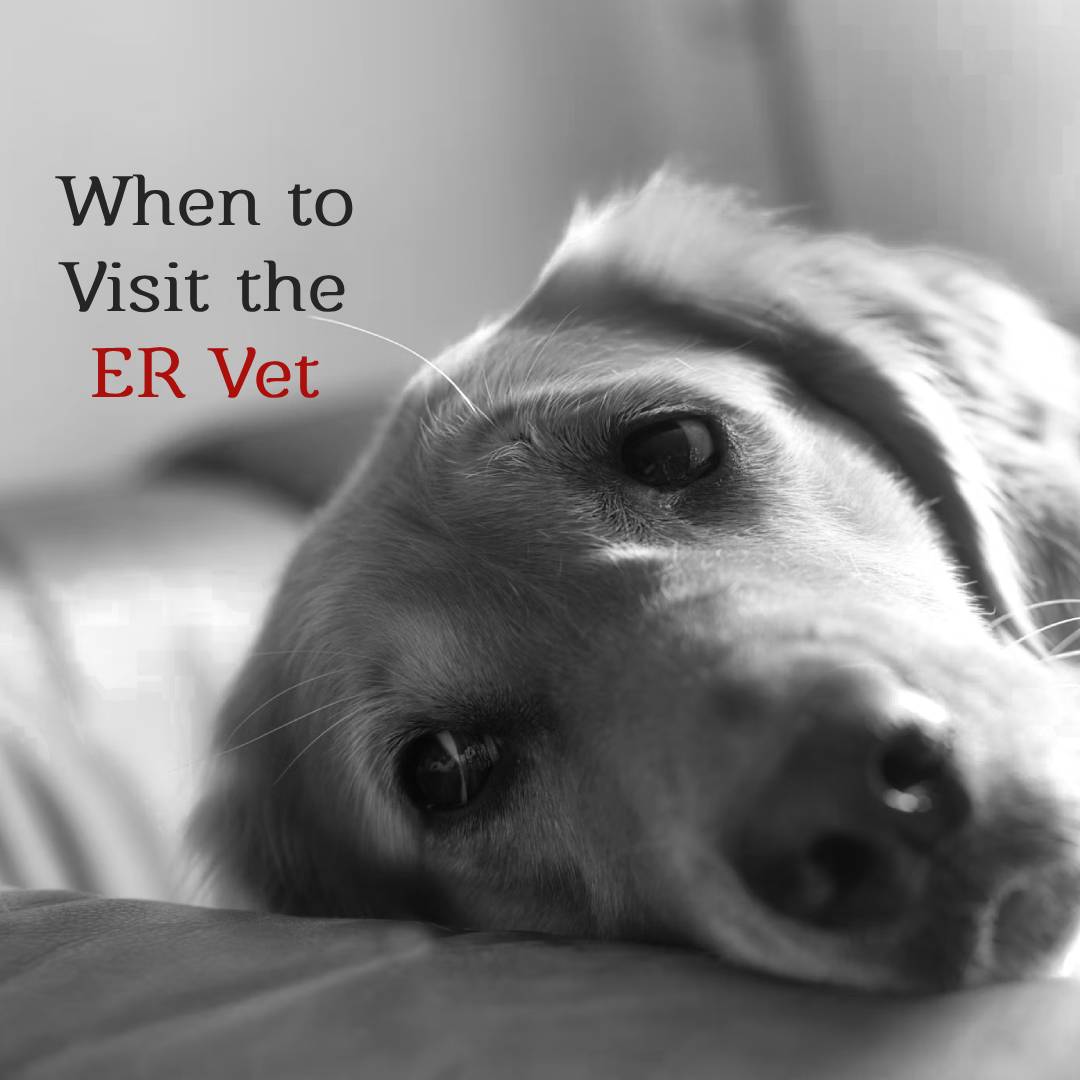


Most pet owners know they should have a first aid kit for their family—but far fewer have one for their pets. When possible, take your pet to a vet if they’re injured. But you can handle some minor issues at home with the right supplies. It’s also helpful to stabilize your pet and buy critical time before you reach professional care. Here’s everything you need to assemble one.
Start With the Right Container
Choose a container that’s durable, easy to carry, and clearly labeled. A hard-sided plastic container with a secure latch works well, as does a dedicated backpack if you hike or travel with your pet. Store it somewhere accessible — not buried in a closet — and make sure everyone in the household knows where it is.
Essential Supplies
Wound Care:
- Sterile gauze pads and rolls
- Self-adhesive bandage wrap (such as VetWrap)
- Medical tape
- Sterile saline solution for flushing wounds or eyes
- Antiseptic wipes or a small bottle of diluted chlorhexidine solution
- Blunt-tipped scissors for cutting bandages or fur
- Tweezers for removing splinters or visible debris
Monitoring and Assessment:
- Digital rectal thermometer (normal temperature for dogs and cats is 100–102.5°F)
- Petroleum jelly for thermometer use
- A penlight or small flashlight for examining eyes, ears, and mouth
Restraint and Transport
- A spare leash and collar
- A fabric muzzle in your pet’s size — even the gentlest animal may bite when in pain
- A small towel or emergency blanket, which can be used for warmth or as a makeshift stretcher
Medications and Other Essentials
- Sterile gloves (at least two pairs)
- A plastic syringe or eye dropper for giving oral fluids if instructed by a vet
- Diphenhydramine (Benadryl) in plain form for mild allergic reactions — ask your vet in advance for the correct dose for your pet’s weight
- Any prescription medications your pet takes regularly
Don’t Forget the Paperwork
Tuck a folded card or small document into your kit that includes:
- Your regular vet’s phone number and address
- The nearest 24-hour emergency veterinary clinic
- ASPCA Animal Poison Control: 888-426-4435
- Pet Poison Helpline: 855-764-7661
- Your pet’s current weight, medications, and any known allergies
This information is easy to forget in a stressful moment, and having it handy can save precious time.
Important Reminders
A pet first aid kit is designed to stabilize — not treat. The goal is to keep your pet as comfortable and safe as possible until you reach your regular or emergency vet. Avoid giving any human medications without veterinary guidance, as many common drugs are toxic to pets.
And be sure to check your kit every six months to replace expired items and restock anything you’ve used.
Be Ready Before You Need It
Putting a kit together takes less than an hour and costs very little. It’s one of the simplest and most meaningful things you can do for your pet’s health and well-being. We hope you never have to reach for it in a real emergency. But if you do, you’ll be glad it’s there.
Have questions about pet safety or emergency preparedness? Our team is here and ready to help during our working hours: 708-326-4800